Wednesday, April 1, 2015

The joys of growing older...


As we age we can do more than just hope for a strong, mobile body.  The myth is that as we grow older we get much weaker and suffer more aches and pains. We've been told that losing muscle and gaining fat are just part of the natural aging process. The fact is that many of the symptoms of old age are really the symptoms of inactivity---of using our muscles less! Muscle weakness, bone loss, and sluggish metabolism are changes that accompany aging but are not solely caused by it.

Use it or lose it! We have heard this phrase before and it’s a perfect one to describe what happens to our bodies as we age.  We can slow and possibly reverse many of the symptoms associated with aging by increasing our strength and flexibility. They still haven't found the fountain of youth, but maybe through strength training we can come closer to turning back the clock. I like that thought!

Strength training is extremely important in combating the age-related declines in muscle mass, bone density and metabolism. It is an effective way to increase muscle strength and to shed unwanted inches. Strength training also helps to decrease back pain, reduce arthritic discomfort, and help prevent or manage some diabetic symptoms.

Physical inactivity causes an average muscle loss of 5-7 pounds per decade. This muscle loss leads to a metabolic rate reduction of 2-5% per decade. Calories that were previously used for muscle energy are put into fat storage, resulting in gradual weight gain. One study on older adults showed that a 3-month basic strength-training program resulted in the exercisers adding 3 pounds of muscle and losing 4 pounds of fat, while eating 15% more calories!

Researchers at Tufts University have recently  found that strength training can add bone density. Prior to this research, it was thought that women might be able to slow their bone loss, but not increase their bone density. This new study shows that strength training at any age can actually add bone, not just slow its loss!

According to Tufts, sensible strength training may be one of the best ways to get relief from your arthritis. Not only will it help to lubricate and nourish the joint, strength training will also strengthen the muscles around the joint, providing it with greater support.

As people age, glucose sensitivity decreases. Poor glucose metabolism is associated with Type II diabetes. One study found that after 4 months of strength training, there was an average increased glucose uptake of 23%!

Strength training involves briefly working your muscles, on a regular basis, a little more than they are accustomed to working. This causes your muscles to become stronger and more toned. Also, your tendons, ligaments and bones will be strengthened. This strengthening will make your joints more stable and less prone to injury. Everyday tasks will become easier, such as picking up grocery bags or grandchildren, getting up from a low sofa or going up stairs.

Fortunately for me (since I’m living in a 24’ RV—no room for dumbbells, a weight bench, etc.) exercise bands are an effective tool for strength training. When you strength train, your muscles exert a force against some type of resistance. It doesn't matter if this resistance is from machines, dumbbells, or rubber tubing---your muscles, connective tissue, and bones will respond by getting stronger.

A research study found that older adults who used exercise bands for 12 weeks on a moderate program increased their strength an average of 82%. Exercise bands are inexpensive, compact, easy to use, and a convenient means of strength training. They also allow for training muscles that dumbbells can't train in a seated position, such as the chest and mid-back. Because an exercise band only weighs a few ounces, it is very portable and compact.

So, here’s the bottom line: If you want to stay fit, trim, strong, mobile, and physically independent as you age, then you should be strength training for 30 minutes, twice a week. There isn't another investment that pays off as well. 

Saturday, March 21, 2015

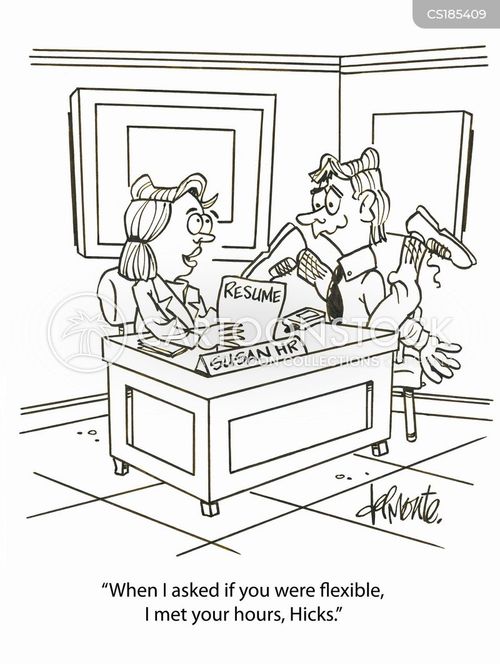
What happens to flexibility as we age?

Yes, that would be a question for someone my age. Here's what I read at one site on-line.
"You guessed it. It decreases. The good news is that some studies, but not all, show improvements in function when individuals engage in exercise programs that involve stretching exercises. Unfortunately, the studies on flexibility in the aging population aren't as complete as they are for studies of strength and endurance, but the studies do suggest that significant improvements in the range of motion of various joints (neck, shoulder, elbow, wrist, hip, knee, and ankle) can occur when stretching exercises are prescribed. It's just that it isn't clear how much flexibility training older adults should do to maintain good range of motion, function, and health."
My dear husband and I like to save money and so every 2 years we take a defensive driving class on-line for a discount on our car insurance. This year about an hour of that class dealt with the importance of flexibility when you drive and they went through a variety of stretching exercises old people (or soon-to-be-old in my case :) should do every day. I have my good days when I do some good stretching but  then I can go weeks without doing any stretching at all. So  this month's competition has been good for me. My goal is about 10 minutes a day--not enough to stretch all those body parts listed above--but I get to all of them over the course of a week. 
I'd love to hear how some of you fit stretching into your busy days and what your favorite stretches are to do.

Tuesday, March 10, 2015

February Winner


Congrats to Jean for awesome self control! Jean is the winner of February's calorie consumption competition. Add an extra 20 points to your running total score.

Sunday, March 8, 2015

Warm Weather!

Don't get me wrong. I've really enjoyed the snow we've gotten lately. But today was the first day of warm, non-windy, dry weather that we've had in quite some time. So we took advantage and had a wonderful Sunday family stroll. Benjamin got out on his bike and showed marked improvement from the last time, which is a little amusing considering it has been a couple months since the last time he touched it. Boy is he growing up fast.


I was pretty happy to get out for a walk to test out my new FitBit as well. With some extra money from trading in unused electronics, I was able to get the FitBit that I've been wanting. I even got a fun pink with some nice colors to occasionally trade it out with. And with the walk today, I got most of my steps in for the day just during that time frame. Side note about my FitBit--apparently I am so restless during the night, it never figured out that I was sleeping. I knew I was a poor sleeper, but I suppose I never actually realized how poorly I actually sleep.


So Happy Spring Everyone! Get out and enjoy some family time and wonderful warm weather.

Friday, February 27, 2015

Stretch Yourself

In preparation for March's competition, I'm putting together some things that I've come to learn about the flexibility. First off, everyone can participate in this challenge! If you feel like you're not flexible, then you should spend even more time on this month's competition than otherwise. Flexibility improves mobility (especially with age), improves circulation, and mitigates negative effects of sedentary occupations. And that's just according to WebMD.

So now here are some common myths/misconceptions about stretching:

  1. You have to hold a stretch a long time in order to benefit.
    • There are actually two general types of stretching: static and dynamic. Static stretching is holding a stretch for 15-30 seconds at a time. As long as you don't stretch like this until it hurts, it is indeed beneficial. But dynamic stretching is actually more important. Remember one of the main benefits of stretching is increased mobility? This is primarily achieved through dynamic stretching. Dynamic stretching is moving your body into a stretch but not holding it. It is NOT bouncing. Remember slow and steady wins the race. 
    • Here is a great article about dynamic stretching and some examples.
  2. You should stretch before you exercise to prevent injury.
    • In 2004, the CDC published a study showing that static stretching before working out actually did not prevent injuries. This can in fact increase the risk of injuries. The most important thing you can do before a heavy workout is some light cardio followed dynamic stretching. Even better is doing dynamic stretching that incorporates the movements you will be doing in your exercise routine (think lunges and leg lifts if running or air squats if doing barbel squats). However, static stretching after a workout is very beneficial as circulation to the muscle groups has been increased leading to more natural flexibility. And then there's always yoga!
    • Here is an article about dynamic stretching before a workout.
So now that we've covered the basics of what stretching is, here are some thoughts about some specific stretches and routines.
  • Think about the muscle groups you want to stretch. Remember that even if one muscle group is sore, the source of the problem may be a neighboring muscle group. For example, lower back pain may actually come from tight hip flexors. Here is a site that helps you find stretches targeting specific muscle groups.
  • If you have a sedentary job, stretching on the job is more important than stretching in conjunction with your work out. Anyone else seen the headlines about desk pandemic in the US? These are some stretches that you can do on the job to help you out.
  • Of course, full body stretches are also important. You want to make sure that you are limber in general. Here is a site that goes through a full-body stretching routine with pics as well as explanations. And here is a just a simple graphic of several full body stretches.
  • And I think everyone knows that I'm a big fan of yoga, which incorporate flexibility as well as some strength training. If you are new to yoga, this is a list of 12 yoga poses for not yet flexible people.
But really, find something that works for you and build it into your routine. Plan to have it be part of your routine for the rest of your life. You don't have to go to the gym. You don't need special clothes or equipment. But regularly stretching can make such a difference. Hopefully this competition will be one that helps all of us find more energy as well as peace and time for meditation.

Sunday, February 15, 2015

Calories...do you know what they look like?


I might be the only one in the competition without a smart phone, but if you need to count calories the old fashion way, I like the site: Calorie King. Lots of options to figure out how many calories you ate. And it has an easy/free “how many calories should I eat?” tool. (It said the same thing as our health insurance company, so there’s my “in the mouth of two witnesses…”)

In the past I have used a food journal to record my calories and that is what I am doing again. It’s really easy for me to eat something mindlessly and then forget to add those calories at the end of the day (or to think “I really haven’t eaten much today” and then when I really think about it, I discover “oh yes, I have!”) Keeping a food journal makes me more accountable for what I have put in my mouth. I keep it close by throughout the day and keep a running total of the calories. Once I’m in the groove of counting calories, I usually wait until just before dinner to add up all the calories and then base what I eat on how many calories I have left. (I try to keep a few very calorie options on hand for those days.) A couple of years ago I was very faithful in keeping a food journal and I lost weight—even on vacation—then I got complacent and the pounds slowly crept back on (ugh!). So as I begin again, I do so knowing it needs to be a lifelong commitment to my health.

One of the best parts about counting calories to aid in weight loss is there aren't any “forbidden” foods...I can eat whatever I want knowing that at the end of the day my calories have to be below a certain number.

But really, whose idea was it to make calorie counting the competition for February? Valentine’s Day is in February, remember? So for our romantic dinner out (can it really be romantic if you take your 19 year old son with you??) I ate a kale and Brussel sprout salad for dinner and then shared a crème brulee (with 2 others) for dessert and it was worth every delicious calorie!

Tuesday, February 10, 2015

January Winner


Congratulations to C0rran05 and Freddy for getting in at least 30 minutes of physical activity every single day of January. You guys rock!! And you each earned 20 points for winning January's competition.

Friday, February 6, 2015

Calorie Goals


As we move into the next month with a focus on watching our calories, I wanted to share a few of my thoughts on the issue.


Tracking Calories

Sometimes it can be excessively difficult to track all of your calories. Especially if you're a snacker. Having little bits between meal times can even be healthy. There are two main ways I can think of to manage calories. One is to actually track every single calorie. This is going to be the best in terms of making sure you actually capture everything. The other way is to choose to be reasonable. If you know how many calories you should be getting every day (more on that later), you can be approximate. Basically answer the question, are you eating balanced meals with reasonable portions and small healthy snacks? While it may take a lot of experience of tracking every calorie to actually have a feel for using the method, it can help to not be constantly thinking about the numbers and instead just enjoy good healthy flavors.

Here are some suggested number calorie tracking methods:

My Fitness Pal--I use this app on my phone because it's really nice being able to just scan a bar code instead of physically entering it in

Weight Watchers--They track the calories for you and simplify things into a point system. Right now they have a "Loose 10 lbs" on us promotion where if you lose 10 lbs in two months, they refund your purchase

Livestrong MyPlate--Really since I use My Fitness Pal, these are just google results.


Setting Calorie Goals

Not a lot to say on this issue. Essentially, use a app or website to determine how many calories a day will enable you to lose about 1 pound a week until you reach your goal. More than an average of 1 pound a week is not healthy to maintain for long and can be hard to keep permanent.

Here are some sites to help with calorie goals:


And just to help us maintain a perspective on our motivation for healthy living, here's a video for us to enjoy.


Sunday, February 1, 2015

Does anyone have any good suggestions on where to go/how to track daily calories?  Haven't really done that before, so I'm looking to get it figured right how to track it.  Thanks!
~Brendan
Longest streak for this month (if I remember the rules correctly): full month streak.  Barely.

Saturday, January 31, 2015

January

Longest streak: 9 days
Blog post: 1
Days under net calorie goal: 6
30 minute workouts: 21

Monday, January 26, 2015

While all around me...

One of the ways to earns points in this competition is to eat under your net calorie goal...we even get one point for every day we stay under that goal number. Given that to be the monthly winner you need the highest number of points, staying below your net calorie goal is a great way to accumulate points. So, why has that been so hard for me this month?
We have a new health insurance plan and they like their members to be healthy so I filled out a questionnaire and they gave me the number of calories I should eat if I want to lose weight. It was nice not having to come up with that number on my own, but ever since I got that information, all I want to do is eat! I faithfully track my food intake and most days I am over that number, not under like I should be.
All around me I have people dropping weight--my DH has started tracking/limiting his daily fat grams and he lost 7 pounds this week. Four girls at the Institute have been regularly working out at the gym and watching their food intake--one has lost 6 pounds so far this month, another 10 pounds, and one has lost 25 pounds (don't worry, she has a lot to lose so 25 is just a drop in the bucket for her). The 4th girl and I seem to finding all those lost pounds....
So with all these good examples around who are losing weight, my own weight has not budged (yes, I should be grateful that I haven't gained any weight so far this month--thank goodness I do exercise!).
What are some things that are motivating the rest of you to stay under your calorie limit? Self-hypnosis? A lock on your fridge? Wiring your mouth shut? ( hmm, maybe that last one is a good idea...not only would it help me lose weight but would also keep me from having to teach 6 classes every week!)


Sunday, January 25, 2015

January Monthly Competition

Longest streak of consecutive days with at least 30+ minutes workout-- 13

(Note--you do not have to include your name. I'll see who you are in the author.)

January Competition Instructions

As the end of January approaches, here are the instructions on how to post points for the month. By February 1st, everyone needs to post their longest streak of days having a 30+ minute workout. I'm going to go ahead and post mine (got sick and ruined my streak--sadness) so everyone can see what it should look like. If you're having trouble getting the post to work, give me a call during the evening, and I'll walk you through it. Happy wellness!

Sunday, January 18, 2015

First Time Skiing

Friday I had my first experience skiing. We had someone watch Benjamin so that we could head out to Sugar Mountain for the experience. Up until recently, I've been super nervous about the whole idea of down hill skiing. But for some reason, I'm suddenly okay with it. It may have something to do with the fact that we went white water rafting in the fall, which (given that I never fell out of the raft) alleviated a lot of my concerns about some of these types of activities.

So. Skiing. After I got all of my equipment put together, we headed up to the bunny hill. After about two seconds on my skis, I promptly fell over. And then I fell over a few more times on the way down to the bottom. Turns out the bunny hill has a little conveyer belt. So not worth it. We walked up the hill the next few times I went down the bunny hill.

After I felt comfortable with some basic turning, we headed over to the green slopes. It took us quite a while to get our skis back on as it turned out that the snow was kind of slushy and had caked up our boots. But once we got that figured out (and helped a few others figure out the same problem), we started up on the ski lift. Turns out ski lifts are really romantic. We went down the green trail four times and then for the last time went down a little differently (the Lower Flying Mile). Even though I hadn't fallen down for the last two runs, I seriously struggled with the final run. It was a little difficult making the transition without totally freaking out, which lead to more falling. And then I realized after using muscles in ways that I hadn't before that I was REALLY sore. I had to grind down the rest of the hill just in case I couldn't get my body to get back into that position.

All in all, I had a great time. It was a ton of fun going down the slopes, cuddling with Mark on the ramp, and trying something new. Main reason I'm posting this on the blog? If you're doing your best to be in shape, it opens up the world to so many awesome possibilities. Happy wellness everyone!


Tuesday, January 6, 2015

Prone to Injury...

So, my wife is concerned that my participation in sports has a tendency to result in personal injury to my person.  According to her records, this happens 90% of the time that I participate in a group sport.  Well, sometimes it feels hard to contradict her, especially given my own stubbornness when it comes to work outs and sports.

As a pair of examples, on Feb. 2nd, I went on a run down a path I used to go on back in high school.  I convinced myself that I had to go just as far as I did back then, even though I started from home and ran to the start point by my old high school, adding a couple miles to the distance.  I ended up on this workout for over an hour and a half and limping for a couple days, even though I knew 30 minutes in that I should cut my workout short.

New example, this one from tonight, I went down to play basketball at church (does that count for organized sports, by the way? Since we play the other wards and have the whole tournament thing?)  Anyway, not even 7 cumulative points into the first game, I got conked on the nose by the elbow of one of the youth we let practice with us.  I am now sporting a small cut on my nose (maybe a 1/2 cm in length) and had to tend to a bloody nose.  In the third game, I hit something with my foot (wall?  ball? ...person?) and a few minutes later, I had this odd feeling that my toe was bleeding.  I figured, 'hey, I haven't broken a toe nail enough to do that in years!  I'm imaging things.'  Come home and check it out..yeah, I cracked my toenail.  Funny thing is, the last time I did that was ALSO playing church basketball on that very same court.

So, yeah, Carmen wants me to stop playing sports so I'll stop injuring myself and also not die.

:)

Friday, January 2, 2015

Clarification

To clarify (as stated in the title of this post). When tracking points, everyone is responsible for tracking their own points using whatever methods they deem most suitable for themselves. If you want me to make you a spreadsheet and send it to you, I would be more than happy to oblige. The only time we will post points earned for a monthly competition or otherwise will be the first Sunday of each month--other than this January of course. The week before the Sunday post needs to go up, I will put up another post that gives specific instructions on the format we should all use. If this is not clear (I write this while doped up on pain medication), ask for clarification in the comments below, and I will do my best to answer.

Thursday, January 1, 2015

Goal Setting


As this is January with a monthly competition focussed on consistency, I thought I would share some tips and thoughts about goal setting from various peoples including myself.

Why should we set goals?

Setting goals and managing our time gives us control over and direction in our lives and facilitates us in serving those around us. When we think about our goals, we can try to purposefully and deliberately align our will with God's. Setting goals is a great time to think about whether or not what we think is important is also what we think God says is important.

"Now is the time to align our goals with God's goals. His work and His glory--'to bring to pass the immortality and eternal life of man'--can become ours."
Russell M. Nelson
"Now is the Time to Prepare"

What should we set goals about?

Short answer? Basically everything worthwhile in our lives. Keep in mind why we are setting goals (see above). Some important areas of our lives to set goals around include:

  • Wellness (check it! That's what this blog will help us accomplish!!)
  • Spirituality
  • Intellectual pursuits (even if we're not in school, we should still be learning)
  • Developing our talents
  • Career
  • Finances
Of course these are just some ideas. Feel free to suggest some more.

How should we set goals?

We should consider the mantra "moderation in all things" in goal setting. Not too many. Not too few. Not too hard. Not too easy. I think that M. Russell Ballard sums it up beautifully.

"First, think about your life and set your priorities. Find some quiet time regularly to think deeply about where you are going and what you will need to do to get there. Jesus, our exemplar, often 'withdrew himself into the wilderness, and prayed.' We need to do the same thing occasionally to rejuvenate ourselves spiritually as the Savior did. Write down the tasks you would like to accomplish each day. Keep foremost in mind the sacred covenants you have made with the Lord as you write down your daily schedules.

"Second, set short-term goals that you can reach. Set goals that are well balanced--not too many nor too few, and not too high nor too low. Write down you attainable goals and work on them according to their importance. Pray for divine guidance in your goal setting."
M. Russell Ballard
"Keeping Life's Demands in Balance"


So what are your thoughts about goals? Share in the comments below.